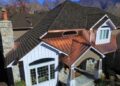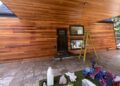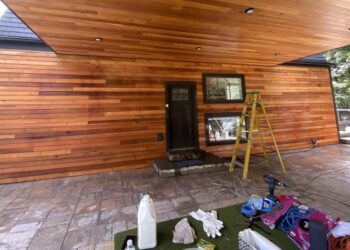

As natural wood siding house takes center stage, this opening passage beckons readers with an engaging overview of the topic. From defining natural wood siding to exploring its benefits and popularity in home construction, this guide aims to provide a detailed insight into this timeless architectural choice.
Moving forward, the subsequent paragraphs will delve into the various types, installation process, design ideas, and sustainability aspects of natural wood siding houses.
Introduction to Natural Wood Siding Houses
Natural wood siding is a type of exterior cladding made from various types of wood, such as cedar, pine, or redwood. It is a popular choice for homeowners looking to add a rustic and traditional look to their houses.
There are several benefits to using natural wood siding for houses. Firstly, wood siding is a sustainable and eco-friendly option, as it is a renewable resource. Additionally, wood siding provides excellent insulation, helping to regulate the temperature inside the house and reduce energy costs.
Moreover, natural wood siding is durable and can last for many years with proper maintenance.
Popularity of Natural Wood Siding in Home Construction
Natural wood siding has gained popularity in home construction due to its timeless appeal and versatility. It can be stained or painted in various colors to suit different architectural styles and preferences. The natural beauty of wood adds warmth and character to the exterior of a house, enhancing its curb appeal.
Types of Natural Wood Siding
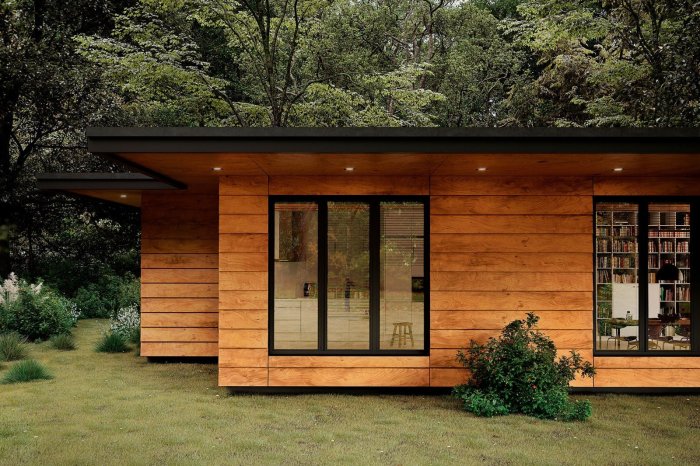
When it comes to natural wood siding, there are several types of wood commonly used for this purpose. Each type of wood has its own unique characteristics in terms of durability and aesthetics, making them suitable for different preferences and climates.
Cedar
- Cedar is a popular choice for wood siding due to its natural resistance to decay and insects.
- It has a rich color that weathers beautifully over time, giving it a rustic look.
- Examples of houses showcasing cedar siding can be found in traditional and modern architectural designs.
Pine
- Pine wood siding is more affordable compared to cedar, but it requires more maintenance to prevent decay.
- It has a lighter color that can be stained or painted to achieve different looks.
- You can find examples of houses with pine siding in various styles, from cottages to cabins.
Redwood
- Redwood is known for its natural beauty and durability, making it a premium choice for wood siding.
- It has a rich reddish-brown hue that adds elegance to any home exterior.
- Houses with redwood siding often exude a sense of luxury and sophistication.
Installation Process
Installing natural wood siding on a house involves a detailed process to ensure durability and aesthetic appeal. Proper installation is crucial for the longevity of the siding and the overall look of the house.
Tools and Materials Required
- Wood siding boards
- Hammer or nail gun
- Nails
- Tape measure
- Level
- Saw
- House wrap
- Starter strips
- Corner pieces
Proper tools and materials are essential for a successful installation process.
Importance of Proper Maintenance
- Regular cleaning to prevent mold and mildew buildup
- Inspecting for signs of damage or wear
- Applying protective finishes to maintain the wood's integrity
- Repairing or replacing damaged boards promptly
Proper maintenance post-installation ensures the longevity and beauty of natural wood siding.
Design and Style Ideas
When it comes to incorporating natural wood siding into modern house designs, there are a few design tips to keep in mind. Natural wood siding can add warmth and texture to a modern home, creating a beautiful contrast with sleek lines and contemporary finishes.
Here are some ideas:
Blending Natural Wood Siding with Other Exterior Elements
To achieve a cohesive look, it's essential to blend natural wood siding with other exterior elements. Consider pairing natural wood siding with materials like stone, metal, or stucco for a balanced and harmonious appearance. Mixing textures and colors can also create visual interest and depth in the overall design.
Architectural Styles that Complement Natural Wood Siding
- Modern Farmhouse: Natural wood siding fits perfectly with the rustic charm of a modern farmhouse design. Pair it with metal roof accents and large windows for a contemporary twist.
- Craftsman: Craftsman-style homes often feature natural wood siding as a signature element. Embrace the intricate details and traditional craftsmanship of this architectural style by incorporating natural wood siding with tapered columns and exposed rafters.
- Mid-Century Modern: Natural wood siding can add a touch of warmth to the clean lines and minimalist aesthetic of a mid-century modern home. Pair it with geometric shapes and flat roofs for a timeless look.
Sustainability and Environmental Impact
When it comes to natural wood siding, sustainability and environmental impact are crucial factors to consider. Let's dive into the eco-friendly aspects of using wood as a siding material and explore how it compares to other options.
Eco-Friendly Aspects of Natural Wood Siding
One of the key benefits of natural wood siding is its renewable nature. Wood is a sustainable resource that can be harvested responsibly, ensuring the long-term health of forests. Additionally, wood siding is biodegradable, meaning it won't sit in landfills for centuries like some synthetic materials.
Sustainability of Sourcing Wood for Siding
It is essential to source wood for siding from responsibly managed forests or through certified sustainable practices. This ensures that the forests are being replenished, and the ecosystem is not being harmed in the process. By choosing wood from sustainable sources, you can contribute to the preservation of natural habitats and biodiversity.
Environmental Impact of Natural Wood Siding
Compared to other siding materials like vinyl or aluminum, natural wood siding has a lower carbon footprint. Wood is a natural insulator, reducing the energy needed to heat and cool a home. Additionally, the production of wood siding involves less energy and resources compared to the manufacturing of synthetic materials.
Ending Remarks
In conclusion, this guide has shed light on the intricacies of natural wood siding houses, offering a glimpse into its versatility and eco-friendly nature. Whether you're considering a renovation or a new build, embracing natural wood siding can truly elevate the aesthetics and sustainability of your home.
Questions and Answers
What are the main benefits of natural wood siding?
Natural wood siding offers a timeless aesthetic, excellent insulation properties, and can increase the value of a home.
How long does natural wood siding last?
The lifespan of natural wood siding varies depending on the type of wood and maintenance, but with proper care, it can last for several decades.
Is natural wood siding environmentally friendly?
Yes, natural wood siding is considered eco-friendly as wood is a renewable resource and has a lower carbon footprint compared to other siding materials.