
Embark on a journey through the world of home interior design, where creativity meets functionality to transform living spaces into personalized sanctuaries. From color palettes to furniture choices, discover how every element plays a vital role in shaping the ambiance of a home.
Explore the art of blending aesthetics with practicality as we delve into the essence of home interior design.
Importance of Home Interior Design
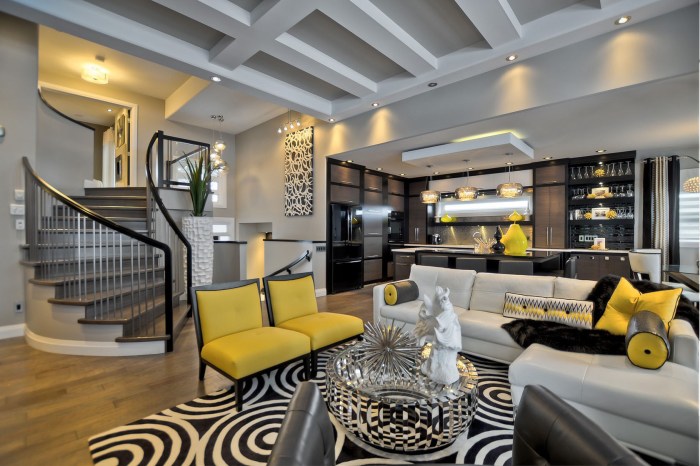
Home interior design plays a crucial role in creating a comfortable and inviting living space for individuals and families. It goes beyond just aesthetics, as it can significantly impact the functionality and overall atmosphere of a home.
Enhancing Functionality and Aesthetics
Thoughtfully designed interiors can maximize the available space in a home, making it more efficient and practical for daily activities. For example, clever storage solutions, strategic furniture placement, and proper lighting can all contribute to a more functional and organized living environment.
Additionally, the choice of colors, textures, and decor elements can enhance the visual appeal of a space, creating a harmonious and pleasing atmosphere.
Improving Quality of Life
Well-designed interiors have the power to positively impact the well-being and mood of occupants. For instance, incorporating elements of biophilic design, such as indoor plants or natural materials, can help reduce stress and improve mental health. Creating designated areas for relaxation, work, and socializing can also contribute to a better work-life balance and overall quality of life.
Elements of Home Interior Design
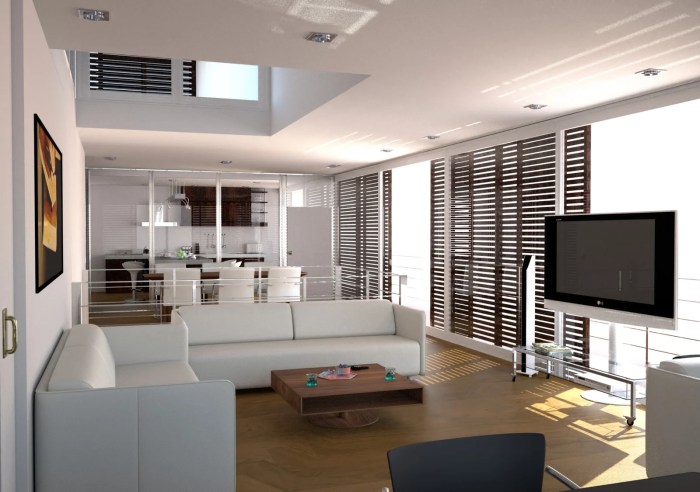
Interior design of a home involves various key elements that work together to create a cohesive and visually appealing space. These elements include color, texture, lighting, and furniture, each playing a significant role in transforming a house into a home that reflects personal style and preferences.
Color
Color is a fundamental element in interior design as it sets the overall mood and ambiance of a space. Different colors can evoke different emotions and feelings, making it essential to choose the right color scheme to achieve the desired atmosphere in each room.
For example, warm colors like reds and oranges can create a cozy and inviting feel, while cool colors like blues and greens can promote a sense of calmness and relaxation.
Texture
Texture adds depth and dimension to a room, creating visual interest and tactile appeal. By incorporating a variety of textures such as smooth, rough, soft, and hard materials, you can enhance the overall look and feel of the space. For instance, combining a plush rug with sleek leather furniture and rustic wooden accents can create a harmonious blend of textures that add character to the room.
Lighting
Lighting plays a crucial role in interior design by illuminating the space and highlighting key features. Proper lighting can enhance the mood, functionality, and aesthetics of a room. Natural light from windows can make a space feel bright and open, while strategically placed artificial lighting fixtures can create a warm and inviting ambiance.
Additionally, using dimmer switches and layered lighting can provide flexibility and control over the intensity and mood of the lighting in different areas of the home.
Furniture
Furniture is not only functional but also serves as a design element that contributes to the overall style and theme of a space. The choice of furniture pieces, their placement, size, and style can significantly impact the look and feel of a room.
Mixing and matching different furniture styles, materials, and finishes can help create a personalized and eclectic space that reflects the homeowner's unique taste and personality.
Popular Interior Design Styles
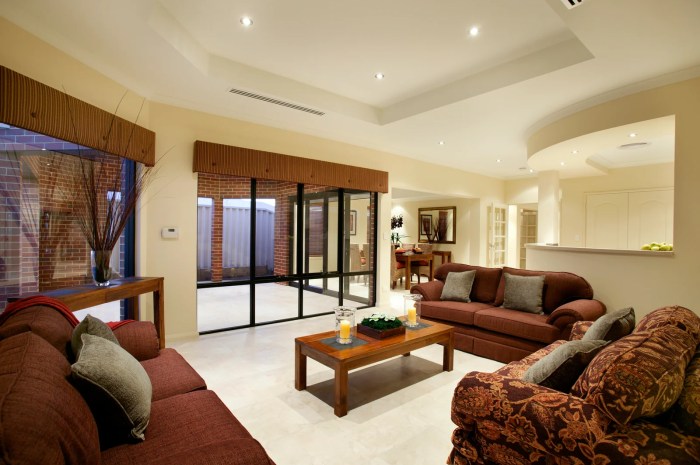
When it comes to interior design, there are several popular styles that homeowners can choose from to create the perfect ambiance in their living spaces. Each style has its unique characteristics, color schemes, furniture choices, and overall aesthetics.
Modern Style
The modern interior design style is characterized by clean lines, neutral colors, and a focus on simplicity. When incorporating modern style into a room, opt for furniture with sleek designs and minimal ornamentation
Minimalist Style
Minimalist interior design focuses on the principle of "less is more." This style features a pared-down aesthetic with a limited color palette, simple furniture pieces, and a clutter-free environment. To achieve a minimalist look, choose furniture with clean lines, neutral colors, and prioritize functionality over ornamentation.
Traditional Style
Traditional interior design is known for its timeless appeal and classic furnishings. This style incorporates rich wooden finishes, intricate detailing, and elegant fabrics. Warm and inviting color palettes, such as deep reds, greens, and browns, are often used to create a cozy atmosphere in traditional rooms.
Eclectic Style
Eclectic interior design embraces a mix of different styles, textures, and periods to create a unique and personalized look. When incorporating eclectic style, feel free to blend vintage and modern pieces, bold patterns, and unexpected color combinations. The key is to create a harmonious balance between contrasting elements.
Industrial Style
Industrial interior design draws inspiration from urban lofts and warehouses, featuring raw and unfinished elements such as exposed brick, metal accents, and reclaimed wood. This style often incorporates a color palette of greys, blacks, and browns, with a focus on utilitarian objects and materials.
Budget-Friendly Interior Design Tips
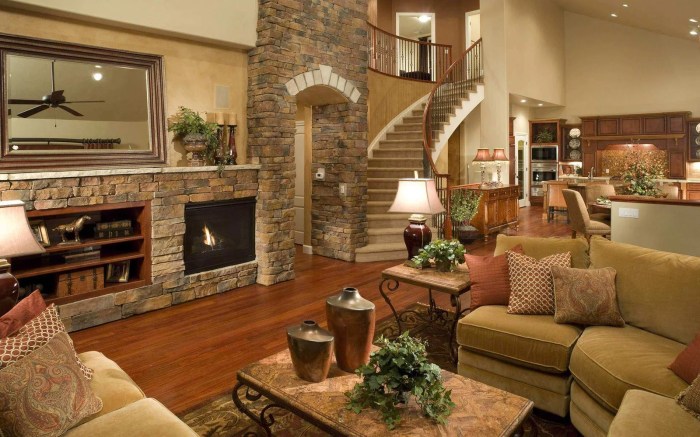
When it comes to improving your home interiors on a budget, there are plenty of cost-effective options to consider. From DIY projects to upcycling and thrift shopping, you can give your space a fresh new look without spending a fortune.
Here are some tips to help you make the most of your budget when it comes to interior design:
DIY Projects
Embarking on DIY projects is a great way to add a personal touch to your home while saving money. Consider painting old furniture, creating your own artwork, or even making decorative items like throw pillows or curtains.
Upcycling
Upcycling is another fantastic way to revamp your home decor without breaking the bank. Look for items that can be repurposed, such as turning old crates into shelving units or using mason jars as stylish storage containers.
Thrift Shopping
Thrift shopping is a treasure trove of affordable home decor finds. Explore thrift stores, garage sales, and flea markets to uncover unique pieces that can add character to your space. You might be surprised by the gems you can find at a fraction of the cost of new items.
Investing Wisely
While it's essential to save money on certain aspects of interior design, there are areas where it's worth investing a little more for maximum impact. Consider splurging on key pieces like a quality sofa or statement lighting fixtures that can elevate the overall look of your home.
Concluding Remarks
As we conclude our exploration of home interior design, it becomes evident that creating a harmonious living environment involves a careful balance of creativity, functionality, and personal style. Let your home reflect your unique taste and preferences through thoughtful interior design choices.
Top FAQs
How important is home interior design?
Home interior design is crucial as it impacts the overall ambiance and functionality of living spaces, creating a comfortable environment that enhances quality of life.
What are the key elements of home interior design?
The key elements include color, texture, lighting, and furniture, each playing a vital role in shaping the aesthetics and functionality of a space.
How can I incorporate different interior design styles into my home?
You can incorporate various styles by mixing elements like color schemes, furniture choices, and decor to create a cohesive look that reflects your personal taste.
Are there budget-friendly ways to improve home interiors?
Absolutely! You can opt for DIY projects, upcycling, and thrift shopping to enhance your home interiors without exceeding your budget.
Where should I invest money for maximum impact in home interior design?
Consider investing in key pieces like quality furniture or statement lighting fixtures that can elevate the overall look of your home interiors.