

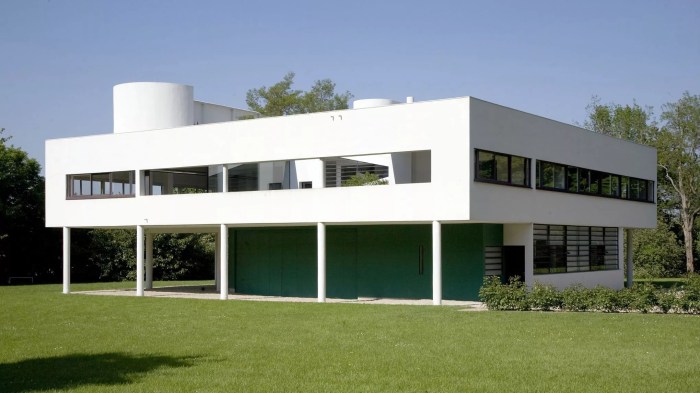
Le Corbusier sets the stage for this enthralling narrative, offering readers a glimpse into a story that is rich in detail and brimming with originality from the outset. His innovative architectural designs have left an indelible mark on the world, influencing the modernist movement and shaping urban landscapes in a profound way.
As we delve deeper into the life and works of Le Corbusier, we uncover a tapestry of creativity and vision that continues to inspire architects and urban planners today.
Who was Le Corbusier?

Le Corbusier, born Charles-Édouard Jeanneret-Gris, was a Swiss-French architect, designer, urban planner, and writer who is regarded as one of the pioneers of modern architecture.
Background and Significance
Le Corbusier played a crucial role in shaping the architectural landscape of the 20th century. His innovative ideas and bold designs revolutionized the way we think about buildings and urban spaces. He was a key figure in the development of the International Style, characterized by geometric forms, open floor plans, and a rejection of ornamentation.
Architectural Style and Major Influences
- Le Corbusier's architectural style was marked by the use of pilotis (supports), open floor plans, and horizontal windows.
- He was heavily influenced by the machine aesthetic of the early 20th century, as well as the principles of the Bauhaus movement.
- His designs often focused on functionality, efficiency, and the relationship between buildings and their surroundings.
Key Projects
- Villa Savoye - A masterpiece of modern architecture, this villa in Poissy, France, embodies Le Corbusier's five points of architecture and is considered a landmark of the International Style.
- Unité d'Habitation - A housing complex in Marseille, France, that pioneered the concept of vertical living and communal amenities.
- Chandigarh - The planned city in India designed by Le Corbusier, showcasing his ideas for urban planning and modern living.
Le Corbusier’s Design Principles

Le Corbusier, a pioneer of modern architecture, followed several key design principles that shaped his innovative creations. His approach to design was characterized by functionality, geometric forms, and the use of modern materials and construction techniques.
Functionalism
Le Corbusier believed that architecture should primarily serve its purpose, focusing on the functionality of the space rather than unnecessary ornamentation. His designs were guided by the idea of form following function, where every element of a building served a specific purpose to enhance the overall usability and efficiency.
Modular Grid System
One of Le Corbusier's most famous design principles was the use of a modular grid system, known as the Modulor. This system was based on human proportions and harmonious dimensions, creating a sense of balance and order in his architecture.
The Modulor influenced the layout of spaces, furniture design, and even urban planning.
Open Floor Plans
Le Corbusier favored open floor plans with flexible spaces that could be adapted to different functions. He often incorporated large windows, sliding partitions, and minimal interior walls to create a sense of openness and connectivity between indoor and outdoor spaces.
Use of Modern Materials
Le Corbusier embraced modern materials such as reinforced concrete, steel, and glass in his designs. These materials allowed for innovative construction techniques, such as cantilevers and pilotis (supports), which enabled him to create bold and expressive architectural forms that were not possible with traditional materials.
Influence on Modernist Movement
Le Corbusier's design philosophy had a profound impact on the modernist movement in architecture. His emphasis on functionality, simplicity, and the use of modern materials inspired a new generation of architects to break away from historical styles and embrace a more rational and forward-thinking approach to design.
His work continues to be studied and admired for its timeless relevance and innovative spirit.
Le Corbusier’s Works
Le Corbusier, a pioneer of modern architecture, left a lasting impact on the field with his innovative designs that revolutionized urban planning and living spaces.
Villa Savoye
- Villa Savoye, located in Poissy, France, is one of Le Corbusier's most iconic works.
- Designed as a weekend retreat for the Savoye family, this villa is a masterpiece of the International Style.
- The building's open floor plan, pilotis (supports), and flat roof exemplify Le Corbusier's "Five Points of Architecture."
- Its significance lies in its influence on modernist architecture and its representation of the idea of the house as a machine for living.
Unité d’Habitation
- Unité d'Habitation, located in Marseille, France, is a residential housing complex designed by Le Corbusier.
- It was one of the first examples of Brutalist architecture, featuring concrete construction and modular design.
- The building's innovative approach to communal living spaces and vertical gardens demonstrate Le Corbusier's vision for urban planning.
- Unité d'Habitation has had a significant impact on the development of high-density housing and the concept of the "vertical city."
Chandigarh Capitol Complex
- The Chandigarh Capitol Complex in India is a prime example of Le Corbusier's urban planning principles.
- Designed as the seat of government for the newly independent Punjab state, the complex includes the High Court, Secretariat, and Legislative Assembly buildings.
- Le Corbusier's use of geometric forms, open spaces, and functional design elements reflects his belief in the importance of harmonious urban environments.
- This project showcases his ability to blend modernist aesthetics with cultural context, creating a unique architectural landscape.
Legacy of Le Corbusier
Le Corbusier's legacy in the world of architecture and urban planning is undeniable. His innovative ideas and design principles have had a lasting impact on contemporary architecture, influencing architects and urban planners around the globe.
Influence on Contemporary Architecture
Le Corbusier's emphasis on functionality, geometric forms, and open floor plans revolutionized the way buildings were designed. His concept of "a house is a machine for living in" pushed architects to rethink the relationship between humans and their built environment.
This influence can be seen in modern structures that prioritize efficiency, simplicity, and the use of geometric shapes.
Continued Influence on Architects and Urban Planners
Even decades after his death, Le Corbusier's ideas continue to inspire architects and urban planners. His focus on incorporating green spaces, maximizing natural light, and creating efficient living spaces is still relevant today. Many architects look to his work for inspiration when designing sustainable and functional buildings that prioritize the well-being of inhabitants.
Criticism and Controversies
While Le Corbusier's work has been widely celebrated, it has also faced criticism and controversies. Some critics argue that his designs prioritized form over function, leading to buildings that were not always practical or comfortable for their occupants. Additionally, his urban planning concepts, such as the Radiant City, have been criticized for their lack of consideration for the existing urban fabric and communities.
Final Wrap-Up
In conclusion, Le Corbusier's legacy resonates through the ages, reminding us of the power of visionary thinking and bold design. His influence on architecture is undeniable, and his work continues to spark conversations and inspire new generations of creatives.
General Inquiries
Who was Le Corbusier?
Le Corbusier, born as Charles-Édouard Jeanneret-Gris, was a Swiss-French architect known for his pioneering contributions to modern architecture.
What were Le Corbusier's key design principles?
Le Corbusier emphasized functionality, geometric forms, and the use of modern materials like concrete and steel in his architectural creations.
What are some of Le Corbusier's most famous works?
Notable works by Le Corbusier include Villa Savoye, Unité d'Habitation, and the Chandigarh Capitol Complex, each showcasing his unique design philosophy.
What is the legacy of Le Corbusier in contemporary architecture?
Le Corbusier's influence can be seen in the minimalist and functionalist approach of many contemporary architects, as his ideas continue to shape the way we think about urban spaces.