
Cost to put vinyl siding on house delves into the intricacies of vinyl siding installation costs, shedding light on the various factors that influence pricing. From materials to labor and house size, this topic explores it all with depth and clarity.
As we navigate through the breakdown of costs and comparison of siding types, readers will gain valuable insights into making informed decisions about their home improvement projects.
Factors affecting the cost of vinyl siding installation
When determining the cost of vinyl siding installation, various factors come into play that can significantly impact the overall price. These factors include materials used, labor costs, location of the house, size of the property, and any additional features or customization.
Materials used
The type and quality of vinyl siding chosen for the installation can greatly influence the cost. Higher-quality materials will typically cost more upfront but may result in lower maintenance costs in the long run. For example, premium vinyl siding with additional insulation features will be more expensive than basic vinyl siding options.
Labor costs
Labor costs are another significant factor in the overall price of vinyl siding installation. The skill level and experience of the installation crew, as well as the complexity of the project, will impact labor costs. For instance, a larger house with intricate architectural details may require more labor and, therefore, increase the overall cost of installation.
Location of the house
The location of the house can also affect the cost of vinyl siding installation. Factors such as local labor rates, building codes, and accessibility to the property can all play a role in determining the final price. Houses located in remote areas or regions with higher living costs may incur additional expenses for installation.
Size of the property
The size of the property, specifically the square footage of the house, directly impacts the cost of vinyl siding installation. Larger homes require more materials and labor to complete the project, leading to higher overall costs. Additionally, the number of stories and the complexity of the design can also affect pricing.
Additional features or customization
Any additional features or customization options chosen for the vinyl siding installation will add to the total cost. This could include features like trim work, decorative elements, or special finishes. While these customizations can enhance the appearance of the house, they will also increase the overall price of the project.
Average cost breakdown for vinyl siding installation
Installing vinyl siding on a house involves several costs that contribute to the total expense. Let's break down the average costs involved in the installation process.
Material Costs
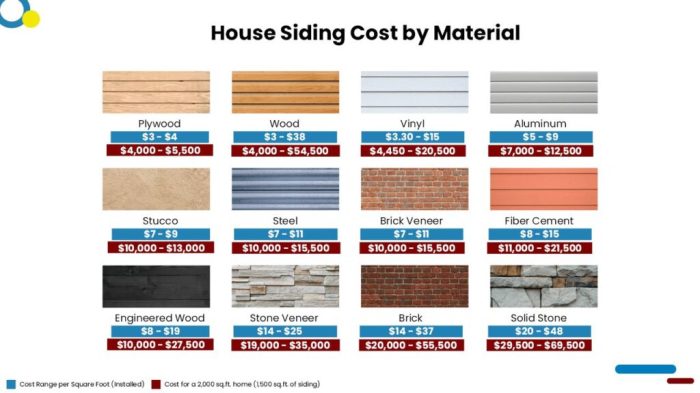
- The material costs for vinyl siding typically range from $1 to $7 per square foot, depending on the quality and brand of the siding chosen.
- On average, for a 1,500 square foot house, the material costs can amount to around $3,000 to $10,500.
Labor Costs
- Labor costs for installing vinyl siding can vary based on the complexity of the job and the location of the house.
- On average, labor costs can range from $2 to $7 per square foot, totaling approximately $3,000 to $10,500 for a 1,500 square foot house.
Equipment Rental Costs
- If specialized equipment is needed for the installation, rental costs can add to the overall expense.
- Equipment rental costs can vary but typically range from $100 to $500, depending on the duration and type of equipment needed.
Miscellaneous Expenses
- Additional costs such as permits, disposal fees, and any unforeseen issues can also contribute to the total cost of vinyl siding installation.
- These miscellaneous expenses can add up to around 10% to 15% of the total project cost.
Comparing different types of vinyl siding
When it comes to choosing vinyl siding for your home, there are various options available in the market. Each type of vinyl siding comes with its own set of pros and cons, which can impact both the cost and durability of the siding.
Basic Vinyl Siding
Basic vinyl siding is the most affordable option among the different types. It usually comes in standard colors and simpler designs
Mid-Range Vinyl Siding
Mid-range vinyl siding offers a balance between cost and quality. It comes in a wider range of colors and styles compared to basic vinyl siding. This type of siding is more durable and can withstand harsh weather conditions better than basic options.
Although it may cost more upfront, mid-range vinyl siding can provide better long-term value.
Premium Vinyl Siding
Premium vinyl siding is the most expensive option but offers the highest quality and durability. It comes in a variety of colors, textures, and styles, including options that mimic the look of wood or stone. Premium vinyl siding is also thicker and more resistant to fading, warping, and damage.
While the initial cost may be higher, premium vinyl siding can last longer and require less maintenance over time.In conclusion, the type of vinyl siding you choose for your home will depend on your budget, aesthetic preferences, and maintenance needs.
Basic vinyl siding is a budget-friendly option, mid-range vinyl siding offers a good balance between cost and quality, and premium vinyl siding provides the highest level of durability and customization.
Cost-saving tips for vinyl siding installation
When it comes to saving money on vinyl siding installation, there are several strategies homeowners can consider to reduce costs without compromising on quality.
Consider DIY Options
One way to save on installation costs is by considering a do-it-yourself approach. While hiring professionals ensures a high-quality finish, taking on the project yourself can significantly reduce labor costs.
Negotiate Prices
Don't be afraid to negotiate prices with contractors to get the best deal. Compare quotes from multiple professionals and see if they are willing to match or beat competitors' prices.
Buy Materials in Bulk
Purchasing vinyl siding materials in bulk can often lead to discounts from suppliers. Consider pooling resources with neighbors or friends who also need siding to take advantage of bulk pricing.
Timing the Installation
Timing can also impact the cost of vinyl siding installation. Contractors may offer discounts during off-peak seasons or slower months. Planning your installation during these times can result in cost savings.
Closing Notes
In conclusion, the cost to put vinyl siding on a house is not just a number but a reflection of careful planning and considerations. By understanding the factors at play and exploring cost-saving tips, homeowners can embark on this journey with confidence and financial prudence.
Question & Answer Hub
What factors can affect the cost of vinyl siding installation?
Factors such as materials, labor, location, house size, and additional features can impact the overall cost.
What is the average cost breakdown for vinyl siding installation?
The breakdown includes material costs, labor costs, equipment rental costs, and other miscellaneous expenses, each contributing a percentage to the total cost.
How do different types of vinyl siding compare in terms of cost?
Basic, mid-range, and premium vinyl siding options vary in cost, with pros and cons related to durability and pricing.
Are there cost-saving tips for vinyl siding installation?
Homeowners can save money through DIY options, negotiating prices, bulk material purchases, and strategic timing for installation discounts.