
As exterior siding installers near me take the spotlight, this opening passage invites readers into a realm of expertise, ensuring an informative experience that is both engaging and unique.
The following paragraph will delve into the specifics of the topic, providing a comprehensive overview.
Researching Exterior Siding Installers
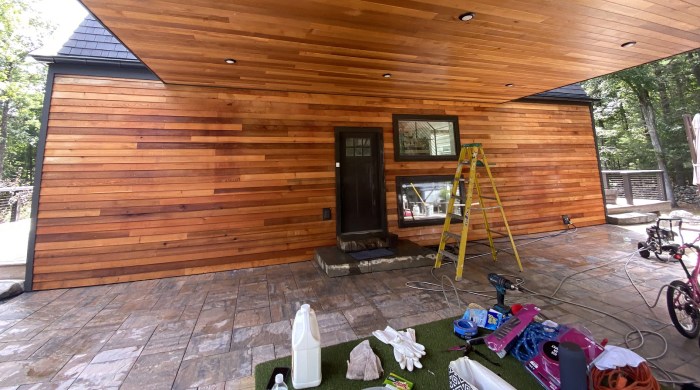
When looking for reputable exterior siding installers, it is essential to consider a few key qualities to ensure you hire the best professionals for the job. Checking reviews and testimonials from previous clients can provide valuable insights into the quality of work and customer satisfaction.
Additionally, comparing pricing models of different installers in your area can help you find a balance between quality and affordability.
Top Qualities to Look for in Reputable Siding Installers
- Experience: Look for installers with a proven track record and years of experience in the industry.
- Professionalism: Choose installers who are punctual, communicative, and respectful of your property.
- Quality Materials: Ensure that the installers use high-quality materials that are durable and long-lasting.
- Warranty: Opt for installers who offer a warranty on their work to guarantee customer satisfaction.
Importance of Checking Reviews and Testimonials
Reading reviews and testimonials from previous clients can give you a better understanding of the installer's reputation and the quality of their work. Positive reviews indicate satisfied customers, while negative reviews can serve as red flags.
Comparing Pricing Models of Different Installers
While cost is an important factor, it should not be the sole determinant in choosing an installer. Compare pricing models to find a balance between affordability and quality. Be wary of extremely low prices, as they may indicate subpar workmanship or the use of inferior materials.
Types of Exterior Siding Materials
When it comes to choosing the right exterior siding for your home, there are several popular materials to consider. Each material has its own unique characteristics, durability, maintenance requirements, and impact on energy efficiency. Let's explore some of the common options available:
Vinyl Siding
Vinyl siding is one of the most popular choices for homeowners due to its affordability and low maintenance requirements. It is available in a wide range of colors and styles, making it a versatile option for any home. Vinyl siding is durable and resistant to rot, fading, and insect damage.
Wood Siding
Wood siding provides a natural and classic look to a home, adding warmth and charm. While it requires more maintenance compared to other materials, such as regular painting or staining, wood siding can last for many years when properly cared for.
It is important to protect wood siding from moisture to prevent rot and decay.
Fiber Cement Siding
Fiber cement siding is a durable and long-lasting option that mimics the look of wood but with less maintenance. It is resistant to fire, rot, and insects, making it a popular choice for homeowners looking for a low-maintenance solution. Fiber cement siding is also available in a variety of colors and styles.
Metal Siding
Metal siding, such as aluminum or steel, is known for its strength and durability. It is resistant to fire, rot, and insects, and requires minimal maintenance. Metal siding is also energy-efficient, reflecting heat away from the home in hot climates and helping to insulate in colder climates.
Preparing for Siding Installation
When it comes to preparing for siding installation, homeowners need to take several important steps to ensure a smooth and successful project. From selecting the right color and style of siding to obtaining any necessary permits, proper preparation is key to achieving a cohesive exterior look.
Selecting the Right Color and Style of Siding
Before starting the siding installation process, homeowners should carefully consider the color and style of siding that will best complement their home's exterior. Here are some tips for selecting the right color and style:
- Consider the architectural style of your home: Choose a siding color and style that enhances the architectural features of your home.
- Think about the overall look you want to achieve: Whether you prefer a modern, traditional, or rustic look, choose siding that aligns with your desired aesthetic.
- Take into account the surrounding environment: Consider the landscaping, neighboring homes, and natural surroundings when selecting a siding color that blends harmoniously.
- Get samples and test them: It's important to see how different siding colors and styles look against your home's exterior in different lighting conditions before making a final decision.
Permits and Regulations for Siding Projects
Depending on your location, there may be specific permits or regulations required for a siding installation project. It's essential to check with your local municipality or homeowner's association to ensure compliance with any applicable rules. Here are some common considerations:
- Building permits: Some areas may require a building permit for siding installation to ensure that the work meets safety and construction standards.
- Historic preservation regulations: If your home is located in a historic district, there may be specific guidelines for siding materials and colors to preserve the historic integrity of the neighborhood.
- HOA guidelines: If you live in a community with a homeowner's association, there may be restrictions on the type of siding you can use or specific approval processes that need to be followed.
The Installation Process
Installing exterior siding involves several important steps to ensure a proper and durable finish on your home. Proper insulation and moisture barriers are crucial elements in this process to protect your home from elements like water damage and energy loss.
However, there are common challenges that may arise during the siding installation process that need to be addressed promptly.
Typical Steps in Installing Exterior Siding
- Preparation of the exterior wall surface by removing old siding, repairing any damage, and ensuring a smooth and clean surface for installation.
- Measurement and cutting of the siding material to fit the dimensions of the wall, ensuring a precise and professional finish.
- Installation of insulation and moisture barriers to protect the home from water infiltration and improve energy efficiency.
- Attachment of the siding material to the wall using nails, screws, or other fastening methods recommended by the manufacturer.
- Sealing joints and seams to prevent water penetration and ensure a weather-tight seal for the siding.
- Finishing touches such as trim pieces, caulking, and painting to enhance the appearance and longevity of the siding.
Importance of Proper Insulation and Moisture Barriers
- Insulation helps regulate the temperature inside your home, reducing energy costs and improving comfort.
- Moisture barriers protect your home from water damage, mold growth, and other moisture-related issues.
- Proper installation of insulation and moisture barriers ensures the longevity and performance of your siding.
Common Challenges During Siding Installation
- Uneven or damaged wall surfaces can impact the installation process and require additional preparation.
- Weather conditions like rain, wind, or extreme temperatures can delay or complicate the installation process.
- Mismatched or incorrect siding materials can lead to aesthetic issues or performance problems down the line.
- Improperly installed insulation or moisture barriers can result in leaks, drafts, or other issues that compromise the integrity of the siding.
- Challenges with cutting, fitting, or securing the siding material may require professional expertise to overcome.
Ultimate Conclusion
Concluding this discussion on exterior siding installers near me, we reflect on the key points discussed and offer a final insight to wrap up the conversation.
Q&A
What qualities should I look for in reputable siding installers near me?
Look for experience, certifications, and positive customer reviews when choosing a siding installer near you.
How do different siding materials impact energy efficiency?
Materials like fiber cement and insulated vinyl siding offer better energy efficiency compared to traditional wood or metal siding.
What steps should homeowners take to prepare for siding installation?
Clearing the area, inspecting for any repairs, and selecting the right color and style are essential steps to prepare for siding installation.
What are common challenges during the siding installation process?
Issues like improper insulation, moisture problems, or unexpected structural damage can pose challenges during siding installation.