
Embark on a journey to discover the world of house siding installers, where craftsmanship meets innovation. From selecting the right materials to finding the perfect installation company, this guide covers it all.
Delve into the intricate details of house siding installations and explore the factors that make a difference in your home's exterior appeal.
Types of House Siding Materials
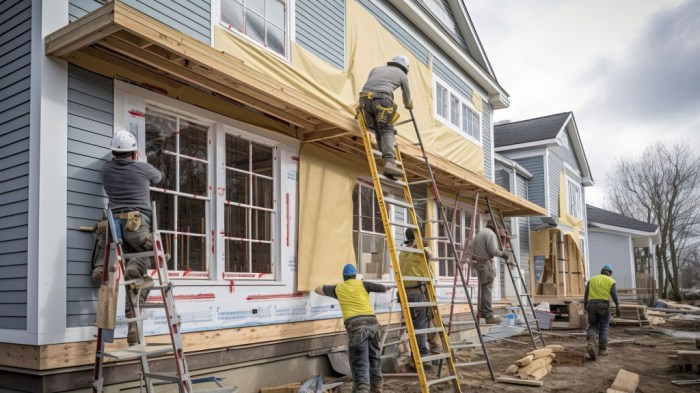
When it comes to house siding installations, there are several materials to choose from, each with its own unique characteristics and benefits. Let's take a closer look at the most common types of siding materials used today.
Vinyl Siding
Vinyl siding is a popular choice for homeowners due to its affordability and low maintenance requirements. It is durable, resistant to rot and insects, and comes in a wide range of colors and styles. However, extreme temperatures can cause vinyl siding to warp or crack over time.
Wood Siding
Wood siding offers a natural and timeless look to a home. It can be painted or stained in various colors to suit different aesthetics. While wood siding is aesthetically pleasing, it requires regular maintenance such as staining or painting to prevent rot and insect damage.
Fiber Cement Siding
Fiber cement siding is a durable and low-maintenance option that can mimic the look of wood or stucco. It is resistant to rot, fire, and insects, making it a popular choice for many homeowners. However, fiber cement siding can be more expensive than other materials.
Metal Siding
Metal siding, such as steel or aluminum, is known for its durability and resistance to extreme weather conditions. It is also fire-resistant and requires minimal maintenance. While metal siding can be more expensive upfront, it can offer long-term cost savings due to its longevity.
Factors to Consider Before Installing House Siding
When planning to install house siding, there are several important factors to consider to ensure the best choice for your home.
Climate Considerations
One of the most crucial factors to consider when selecting house siding materials is the climate of your area. Different materials perform better in certain climates, so it's important to choose a siding option that can withstand the weather conditions in your region.
- Vinyl siding is a popular choice for its durability and low maintenance, making it suitable for various climates.
- Fiber cement siding is known for its resistance to moisture and extreme temperatures, making it ideal for areas with harsh weather conditions.
- Wood siding offers a natural look but requires more maintenance and may not be the best choice for humid or wet climates.
Architectural Style Impact
The architectural style of your home plays a significant role in the selection of house siding. Different styles may complement certain siding materials better than others, enhancing the overall aesthetics of your property.
- For traditional homes, wood siding or fiber cement siding can add a classic touch.
- Modern homes often pair well with metal or vinyl siding for a sleek and contemporary look.
- Craftsman-style homes may benefit from the natural appeal of cedar shake siding.
Cost Implications
The cost of house siding and installation can vary significantly based on the material chosen and the method of installation. It's essential to consider both upfront costs and long-term maintenance expenses when making your decision.
- Vinyl siding is generally more affordable upfront but may require replacement sooner than other materials.
- Fiber cement siding has a higher initial cost but offers long-term durability and low maintenance, reducing overall expenses over time.
- Wood siding can be costly and requires regular maintenance, adding to the long-term cost of ownership.
Steps Involved in Installing House Siding
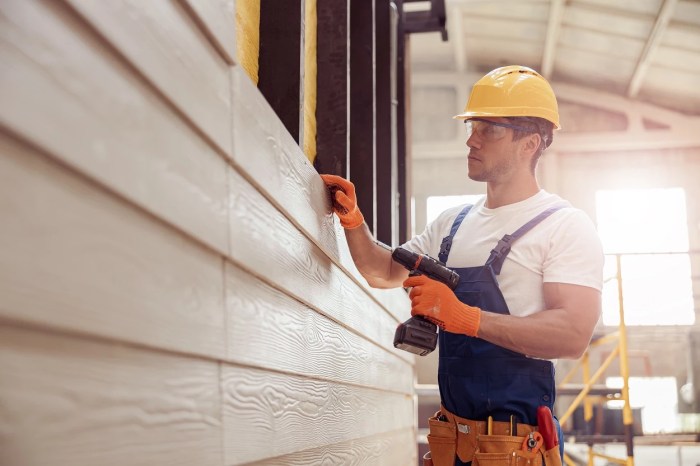
When it comes to installing house siding, there are several important steps that need to be followed to ensure a successful and long-lasting result. From preparation work to measuring and cutting siding materials, each step plays a crucial role in the overall process.
Preparation Work
Before installing siding, it is essential to prepare the exterior of the house properly. This includes cleaning the surface, removing any existing siding, repairing any damaged areas, and ensuring that the wall is smooth and ready for the new siding to be installed.
Measuring and Cutting Siding Materials
Once the preparation work is complete, the next step is to measure and cut the siding materials to fit the dimensions of the house. Accurate measurements are crucial to ensure a seamless and professional-looking installation. Cutting the siding materials to the correct size is also important to ensure a proper fit and finish.
Installation Techniques
When it comes to installing house siding, there are several techniques that are commonly used, including nailing, fastening, and sealing. Nailing the siding to the wall securely is essential to prevent any shifting or damage over time. Properly fastening the siding materials together ensures a tight and secure fit, while sealing any gaps or joints helps to protect the house from moisture and weather damage.
Hiring House Siding Installers
When it comes to hiring house siding installers, it is crucial to choose a reputable company that will provide quality workmanship and excellent service. Here are some tips to help you select the right siding installation company for your needs.
Selecting Reputable Siding Installation Companies
- Ask for recommendations from friends, family, or neighbors who have recently had siding installed.
- Research online reviews and ratings of local siding companies to gauge their reputation.
- Check the company's website for testimonials, project galleries, and certifications.
Checking Licenses, Insurance, and Warranties
Before hiring a siding installer, it is essential to verify that they are properly licensed, insured, and offer warranties for their work.
- Ask for proof of licensing and insurance to ensure they meet the necessary requirements.
- Inquire about the warranties they provide for their workmanship and materials used.
- Ensure that the company has liability insurance to protect you in case of accidents or damages during the installation process.
Assessing Quotes and Negotiating Pricing
When receiving quotes from siding installers, it is important to compare the details of each proposal and not just the bottom line price.
- Review the breakdown of costs, including materials, labor, and any additional fees or charges.
- Ask for clarification on any unclear items in the quote to avoid surprises later on.
- Negotiate pricing with installers by discussing options for cost-saving measures or bundling services.
Summary
As we wrap up our exploration of house siding installers, remember that the key to a successful project lies in attention to detail and quality workmanship. Trust your instincts and choose wisely to transform your house into a stunning masterpiece.
FAQ Explained
What factors should I consider when choosing house siding materials?
Consider the climate, architectural style of your home, and the maintenance requirements of different materials.
How do I select a reputable siding installation company?
Check for licenses, insurance, warranties, and read reviews to ensure credibility.
What are the key steps involved in installing house siding?
Prepare the area, measure and cut siding materials, and use proper installation techniques like nailing and sealing.
How can I negotiate pricing with house siding installers?
Compare quotes from different companies, understand the scope of work, and discuss any potential cost-saving options.