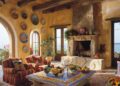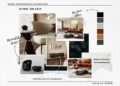

Step into the enchanting world of Mediterranean interior design, where the allure of warm colors, natural textures, and timeless elegance beckons. This captivating style is a fusion of rich history, vibrant hues, and intricate details, creating spaces that exude both charm and sophistication.
As we delve deeper into the key elements and design principles, prepare to be inspired by the beauty and allure of Mediterranean aesthetics.
Mediterranean interior design is a celebration of tradition and craftsmanship, blending influences from various Mediterranean regions to create inviting and cozy spaces filled with character. From the rustic charm of exposed wooden beams to the intricate patterns of mosaic tiles, every element tells a story of a rich cultural heritage that continues to captivate homeowners and designers alike.
Overview of Mediterranean Interior Design
Mediterranean interior design is known for its warm and inviting aesthetic that reflects the coastal regions of Southern Europe. Key elements of this style include rustic furniture, natural materials, and a focus on creating a relaxed and comfortable atmosphere.
Key Elements of Mediterranean Interior Design
- Earthy Tones: Mediterranean interior design often incorporates warm, earthy tones such as terracotta, ochre, and sandy beige to mimic the colors of the Mediterranean landscape.
- Textured Walls: Textured walls, such as stucco or plaster, are commonly used to add depth and character to the space.
- Wrought Iron Accents: Wrought iron accents, like light fixtures, mirrors, and furniture pieces, are popular in Mediterranean interiors to add a touch of elegance.
- Natural Fabrics: Linen, cotton, and wool are commonly used for upholstery and drapery to enhance the cozy and inviting feel of the space.
Color Palette in Mediterranean Interior Design
The color palette in Mediterranean interior design is inspired by the sun, sea, and earth of the region. In addition to earthy tones, blues and greens reminiscent of the ocean and sky are often used to create a calming and serene ambiance.
Influence of Mediterranean Architecture on Interior Design
- Arched Doorways: Arched doorways are a common architectural feature in Mediterranean homes and are often incorporated into interior design to create a sense of continuity and flow.
- Tiled Floors: Tiled floors, especially in intricate patterns like mosaic or terracotta tiles, are a nod to the rich history of Mediterranean architecture and are a popular choice for adding visual interest to interiors.
- Courtyards and Patios: The concept of indoor-outdoor living is a prominent aspect of Mediterranean architecture, influencing interior design by incorporating courtyards, terraces, and balconies as extensions of the living space.
Mediterranean Interior Design Elements
In Mediterranean interior design, there are specific elements that define the style and create a warm, inviting atmosphere. Let's explore some of the key elements that are commonly used in Mediterranean interior design.
Typical Materials Used
- Terra Cotta: This clay-based material is often used for flooring, tiles, and pottery, adding a rustic touch to the space.
- Wood: Natural wood, such as oak, pine, or walnut, is frequently used for furniture, beams, and accents, bringing warmth and richness to the design.
- Wrought Iron: Ornate wrought iron elements, like chandeliers, railings, and light fixtures, add a touch of elegance and Old World charm.
- Stucco: Textured stucco walls are a common feature in Mediterranean interiors, providing a sense of authenticity and tradition.
Traditional Patterns and Textures
- Mosaic Tiles: Intricate mosaic patterns, inspired by the vibrant colors of the Mediterranean sea, are often used for backsplashes, floors, and countertops.
- Stripes and Geometric Prints: Bold stripes and geometric prints in warm earth tones are characteristic of Mediterranean design, adding a sense of depth and visual interest.
- Textured Fabrics: Luxurious fabrics like silk, velvet, and linen with rich textures and intricate patterns are commonly used for upholstery, draperies, and cushions.
Natural Light in Mediterranean Design
Natural light plays a crucial role in Mediterranean interior design, as it helps create a bright and airy ambiance that mimics the sunny Mediterranean climate. Large windows, French doors, and skylights are often incorporated to maximize natural light and create a connection to the outdoors.
Light, sheer curtains or no window treatments at all are preferred to allow the light to filter in freely, enhancing the overall warmth and inviting feel of the space.
Furniture and Decor in Mediterranean Design
When it comes to Mediterranean interior design, furniture and decor play a crucial role in capturing the essence of the style. Mediterranean design is known for its warm and inviting feel, incorporating elements that reflect the coastal regions of Southern Europe.
Characteristics of Furniture in Mediterranean Interior Design
- Rich, Dark Woods: Furniture in Mediterranean design often features rich, dark woods like mahogany, walnut, or cherry, adding a sense of warmth to the space.
- Carved Details: Intricate carvings and details on furniture pieces are common in Mediterranean design, adding a touch of elegance and sophistication.
- Rustic Finishes: Distressed or weathered finishes on furniture contribute to the relaxed and lived-in feel of Mediterranean interiors.
Decorative Elements in Mediterranean Design
In addition to furniture, decorative elements like ceramics, wrought iron, and textiles play a significant role in Mediterranean interior design:
- Ceramics: Vibrantly colored ceramic tiles and pottery are often used to add a pop of color and pattern to Mediterranean spaces.
- Wrought Iron: Ornate wrought iron elements such as light fixtures, mirrors, and accent pieces bring a sense of Old World charm to Mediterranean decor.
- Textiles: Luxurious fabrics like silk, velvet, and linen are commonly used for draperies, upholstery, and throw pillows in Mediterranean interiors, adding a touch of luxury and comfort.
Incorporating Mediterranean Decor into Modern Spaces
- Blend Old and New: Mix traditional Mediterranean furniture and decor with modern pieces to create a harmonious balance between old-world charm and contemporary style.
- Focus on Colors: Stick to a warm color palette inspired by the Mediterranean sea and landscapes, incorporating shades of blue, terracotta, and earth tones for a cohesive look.
- Accessorize Thoughtfully: Incorporate Mediterranean-inspired accessories like mosaic tiles, patterned rugs, and wrought iron accents to infuse your space with the essence of the Mediterranean.
Creating a Mediterranean-inspired Space
When it comes to creating a Mediterranean-inspired space, the right colors play a crucial role in capturing the essence of this design style. Opt for warm and earthy tones like terracotta, ochre, olive green, and azure blue to reflect the colors of the Mediterranean landscape.
Selecting the Right Colors
- Choose warm and earthy tones like terracotta, ochre, olive green, and azure blue.
- Consider using white as a dominant color to create a bright and airy feel.
- Incorporate pops of vibrant colors like turquoise or coral for a lively touch.
Integrating Mediterranean Design Elements
- Use natural materials such as stone, wood, and wrought iron for furniture and decor.
- Add architectural details like arched doorways, exposed wooden beams, and mosaic tiles.
- Include plants and greenery to bring a sense of the Mediterranean landscape indoors.
Achieving a Cohesive Look
- Focus on simplicity and minimalism to create a clean and uncluttered space.
- Ensure consistency in design elements and color palette throughout the room.
- Balance bold patterns with neutral backgrounds for a harmonious look.
Final Summary
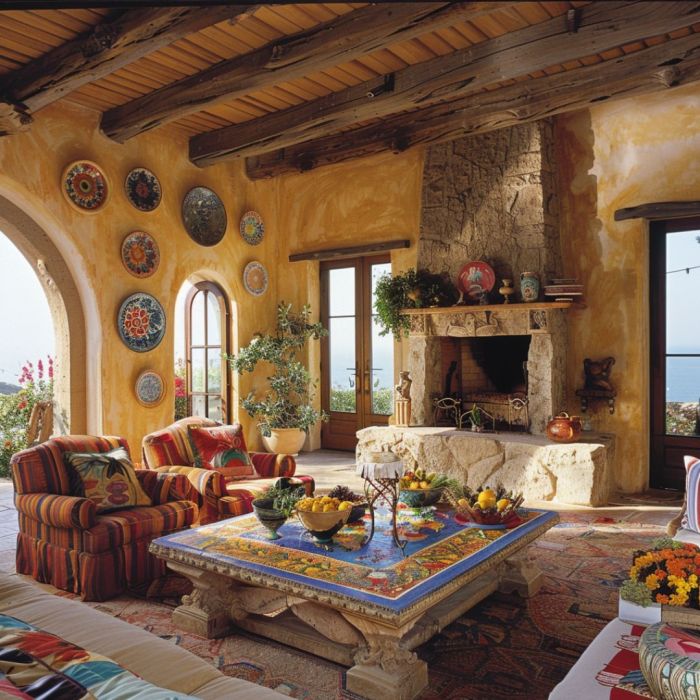
In conclusion, Mediterranean interior design offers a timeless appeal that transcends trends and fads, creating spaces that are both inviting and elegant. By embracing the warmth of Mediterranean colors, the richness of traditional materials, and the allure of intricate details, you can transform your home into a Mediterranean-inspired haven that exudes charm and sophistication.
Let the spirit of the Mediterranean infuse your living spaces with a touch of timeless beauty and character.
Answers to Common Questions
What are the key elements of Mediterranean interior design?
The key elements include warm colors, natural textures, intricate patterns, and traditional materials like wood, stone, and terracotta.
How does natural light play a role in Mediterranean interior design?
Natural light is essential in Mediterranean design to create a bright and airy atmosphere, enhancing the warmth and vibrancy of the color palette.
What are some traditional patterns and textures used in Mediterranean design?
Examples include intricate mosaic tiles, ornate wrought iron details, and colorful ceramics inspired by the Mediterranean landscape.
How can one incorporate Mediterranean decor into modern spaces?
To blend Mediterranean decor with modern aesthetics, consider integrating traditional elements like textiles, ceramics, and wrought iron in a contemporary setting.
What guidelines should be followed when selecting colors for a Mediterranean-inspired room?
Opt for warm, earthy tones like terracotta, ochre, and deep blues to create a Mediterranean-inspired color scheme that evokes the spirit of the Mediterranean coast.