
Mood boards serve as a powerful tool for visual storytellers, designers, and creators alike. By curating a collection of images, colors, and typography, a mood board sets the stage for this enthralling narrative, offering readers a glimpse into a story that is rich in detail and brimming with originality from the outset.
What is a Mood Board?
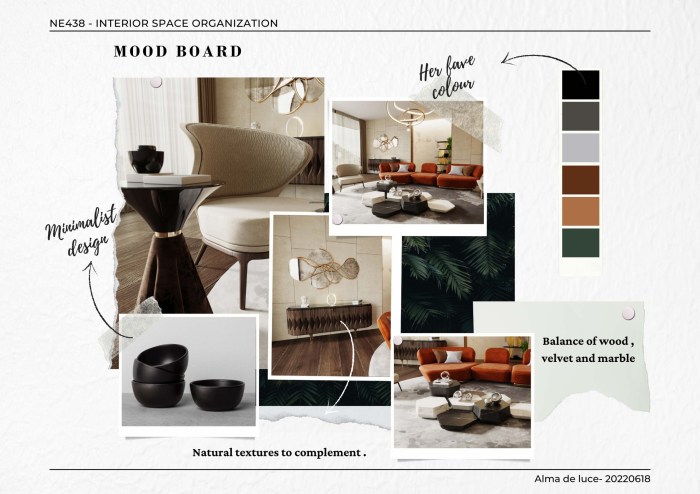
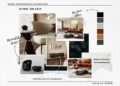
A mood board is a visual tool used in design and creativity to compile and organize ideas, concepts, colors, textures, and overall aesthetic elements. It serves as a visual representation of the intended style, theme, or mood of a project.
The purpose of creating a mood board is to establish a cohesive direction and vision for a design project. It helps designers, artists, and creatives to communicate their ideas effectively, ensuring that everyone involved in the project has a clear understanding of the desired outcome.
Types of Mood Boards
- Digital Mood Boards:These are created using digital tools such as Canva, Pinterest, or Adobe Creative Suite. They often include images, color palettes, typography samples, and other visual elements.
- Physical Mood Boards:These are tangible boards or collages made by hand, using materials like magazine cutouts, fabric swatches, paint samples, and other physical items. They provide a more tactile and hands-on approach to visualizing ideas.
- Themed Mood Boards:These mood boards focus on a specific theme or concept, such as nature, retro aesthetics, minimalism, or vintage design. They help to narrow down the focus and create a more targeted visual representation.
Elements of a Mood Board
Creating a mood board involves carefully selecting and combining various elements to visually communicate a specific mood or theme. Let's explore the key elements typically included in a mood board and how each contributes to the overall aesthetic.
Color Palette
A color palette is a crucial element in setting the tone and mood of a mood board. Different colors evoke different emotions and can convey a particular feeling or atmosphere. By carefully selecting and arranging colors on a mood board, you can create a cohesive visual story that resonates with the desired mood or theme.
Typography
Typography plays a significant role in adding personality and style to a mood board. The choice of fonts, font sizes, and text arrangements can enhance the overall aesthetic and contribute to the mood you want to convey. Whether it's bold and modern fonts for a contemporary feel or elegant script fonts for a more romantic vibe, typography helps tie the elements together and reinforce the theme.
Images
Images are powerful visual elements that can instantly evoke emotions and set the tone for a mood board. Whether it's photographs, illustrations, or graphics, carefully curated images can bring your theme to life and create a compelling narrative. From mood-setting landscapes to inspiring portraits, the right images can enhance the overall mood and captivate the viewer's attention.
Tips for Effective Combination
To create a cohesive and visually appealing mood board, consider the following tips:
- Start with a clear vision: Define the mood or theme you want to convey before selecting elements for your mood board.
- Balance the elements: Ensure a harmonious balance between colors, typography, and images to maintain visual coherence.
- Experiment with layouts: Play around with different arrangements and compositions to find the most effective way to tell your visual story.
- Stay true to your theme: Keep your vision in mind and make sure all elements contribute to the overall mood you want to communicate.
- Use contrast wisely: Contrast in colors, fonts, and images can create visual interest and highlight key elements on the mood board.
Creating a Mood Board
Creating a mood board is an essential part of the design process, helping to visually convey ideas, themes, and emotions. Whether for a project, event, or personal inspiration, a mood board can provide a clear direction and aesthetic vision. Here are some tips on how to create a mood board effectively.
Gathering Inspiration
When starting a mood board project, it's crucial to gather inspiration from various sources to fuel your creativity. Here are different methods for gathering inspiration:
- Explore design blogs, websites, and social media platforms for visual inspiration.
- Collect images, textures, colors, and typography samples that resonate with your project theme.
- Go outside and take photos of nature, architecture, or everyday objects for unique perspectives.
- Visit art galleries, museums, or exhibitions to immerse yourself in different art forms.
Creating a Mood Board
Once you have gathered your inspiration, it's time to create your mood board. Follow these step-by-step instructions to bring your vision to life:
- Select a central theme or concept for your mood board to maintain coherence and focus.
- Choose images, textures, patterns, colors, and fonts that align with your theme.
- Arrange your selected elements on a physical board or use digital tools for a virtual mood board.
- Experiment with different layouts, compositions, and groupings to find the most visually appealing arrangement.
- Consider the overall balance, contrast, and harmony of your mood board to ensure a cohesive look.
Tools for Digital Mood Boards
When creating digital mood boards, there are several tools and software options available to streamline the design process. Some commonly used tools include:
- Canva: A user-friendly graphic design platform with pre-made templates for mood boards.
- Adobe Photoshop: A versatile software for image editing and design, ideal for creating customized mood boards.
- Pinterest: An online platform where you can create digital mood boards by pinning images from the web.
- Milanote: A collaborative tool for creative projects, allowing you to gather inspiration and create visual boards.
Mood Board Applications
Mood boards are versatile tools that find applications in various industries, aiding in the visualization and communication of ideas and concepts. Let's explore how mood boards are commonly used and the impact they have on the creative process.
Fashion Industry
In the fashion industry, mood boards play a crucial role in conveying the overall theme, color palette, and style direction of a collection. Designers use mood boards to showcase inspirations, fabric swatches, and sketches, providing a visual representation of their vision to clients, collaborators, and team members.
Interior Design Sector
Interior designers utilize mood boards to present design concepts, furniture choices, color schemes, and texture combinations to clients. Mood boards help clients visualize the proposed space, ensuring a shared understanding of the design direction and facilitating effective communication between the designer and the client.
Marketing and Advertising
In marketing and advertising, mood boards are instrumental in conveying the brand identity, messaging, and visual elements of a campaign. Marketers use mood boards to showcase creative ideas, typography choices, color schemes, and imagery, aligning stakeholders on the campaign's look and feel before its execution.
Impact on Creative Process and Design Outcomes
Mood boards serve as a source of inspiration and a reference point throughout the creative process, guiding designers, artists, and creatives in maintaining a cohesive vision. By visually organizing ideas and concepts, mood boards help streamline decision-making, foster creativity, and ensure the final design outcomes align with the initial vision.
Last Point
In conclusion, mood boards are not just collages of design elements but windows into the creative process. They help convey ideas, evoke emotions, and streamline communication in various industries. Embrace the art of mood boarding and watch your concepts come to life in vibrant hues and captivating visuals.
Key Questions Answered
What is the main purpose of a mood board?
A mood board is a visual tool used to convey a specific style, concept, or feeling in a design project, serving as a source of inspiration and guiding the overall aesthetic direction.
How can I effectively combine elements on a mood board?
To create a cohesive mood board, ensure that the elements such as color palette, typography, and images work harmoniously together to convey a consistent mood or theme.
What industries commonly use mood boards?
Mood boards are frequently utilized in industries like fashion, interior design, marketing, and advertising to visually communicate ideas, concepts, and design directions.