
Embark on a journey into the world of new home design, where creativity meets functionality to shape the spaces we live in. From innovative materials to sustainable practices, discover the key elements that define modern living.
As we delve deeper, explore the latest interior design trends, the allure of sustainable living, and the seamless integration of outdoor spaces to create a harmonious abode.
Elements of New Home Design
When designing a new home, several key elements need to be considered to create a functional and aesthetically pleasing space. Architectural styles play a significant role in shaping new home designs, while the incorporation of natural light and innovative materials can enhance the overall look and feel of the home.
Architectural Styles Influence
Different architectural styles such as modern, traditional, contemporary, or minimalist can greatly influence the design of a new home. Each style has its own characteristics and features that can impact the layout, materials, and overall ambiance of the space.
Natural Light in Design
The role of natural light in new home design is crucial for creating a bright and welcoming environment. Large windows, skylights, and open floor plans are often used to maximize natural light, reducing the need for artificial lighting and creating a connection to the outdoors.
Innovative Materials
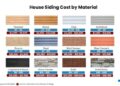
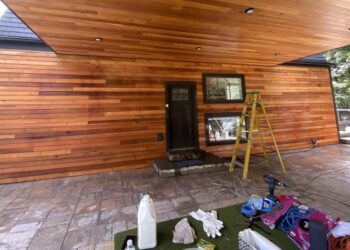
Modern home design often incorporates innovative materials to create unique and sustainable living spaces. Materials such as recycled wood, concrete countertops, energy-efficient windows, and smart home technology are just a few examples of how new materials can be used to enhance the design and functionality of a home.
Interior Design Trends
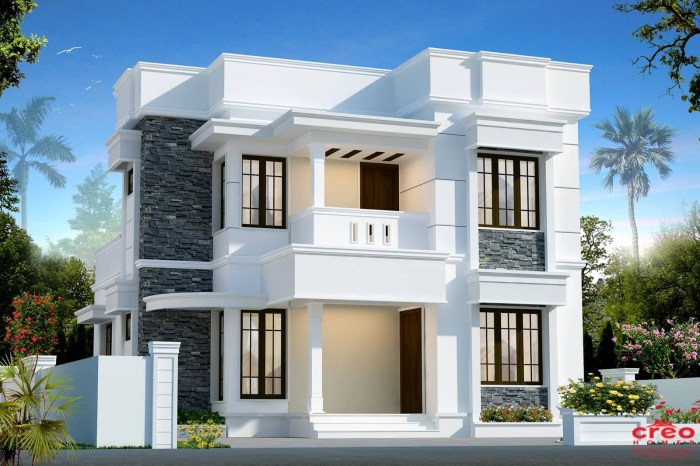
Interior design trends for new homes are constantly evolving, influenced by factors such as technology, lifestyle changes, and global events. Keeping up with the latest trends can help create a modern and stylish living space.
Traditional vs. Contemporary Interior Design Styles
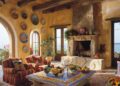
Traditional interior design styles often feature classic furniture pieces, rich colors, and intricate details. In contrast, contemporary design embraces clean lines, minimalism, and a focus on functionality. Mixing elements from both styles can create a unique and eclectic look in a new home.
Importance of Space Planning
Space planning is crucial in interior design as it ensures that the layout of a home is both functional and aesthetically pleasing. Proper space planning involves considering traffic flow, furniture placement, and optimizing the use of available space to create a harmonious living environment.
Incorporating Smart Home Technology
Integrating smart home technology into new home designs can enhance convenience, efficiency, and security. From smart lighting and thermostats to automated blinds and security systems, incorporating these technologies can elevate the overall living experience while adding a modern touch to the interior design.
Sustainable Home Design
Sustainable home design focuses on creating living spaces that minimize negative impacts on the environment while maximizing energy efficiency and resource conservation.
Energy-Efficient Appliances
Energy-efficient appliances play a crucial role in sustainable home design by reducing electricity consumption and lowering utility bills. These appliances are designed to operate more efficiently, using less energy to perform the same tasks as their traditional counterparts.
- Energy Star-rated appliances can significantly decrease energy usage and greenhouse gas emissions.
- Investing in appliances with advanced features like programmable settings and energy-saving modes can further enhance energy efficiency in the home.
Eco-Friendly Materials
Using eco-friendly materials in building new homes is essential for sustainable design as it reduces the environmental impact of construction and promotes healthier indoor air quality.
- Bamboo flooring, reclaimed wood, and recycled glass countertops are examples of eco-friendly materials that can be incorporated into modern home designs.
- Low-VOC paints and finishes help minimize indoor air pollution and create a healthier living environment for occupants.
Sustainable Design Features
There are various sustainable design features that can be integrated into modern homes to enhance energy efficiency and reduce environmental impact.
- Solar panels and geothermal heating systems can provide renewable energy sources and reduce reliance on non-renewable resources.
- Green roofs and rainwater harvesting systems help manage stormwater runoff and promote biodiversity in urban environments.
Outdoor Living Spaces
Outdoor living spaces play a crucial role in new home design, providing residents with opportunities to enjoy fresh air, natural light, and the beauty of the outdoors right at their doorstep. These areas can serve as extensions of indoor living spaces, offering additional areas for relaxation, entertainment, and socializing.
Importance of Outdoor Living Spaces
- Outdoor living spaces encourage a healthier lifestyle by promoting time spent outdoors, which can lead to increased physical activity and reduced stress levels.
- These areas add value to a home by expanding usable square footage and creating a seamless transition between indoor and outdoor environments.
- Well-designed outdoor spaces can enhance the overall aesthetics of a home, creating a visually appealing and cohesive design scheme.
Creating Functional and Aesthetically Pleasing Outdoor Areas
- Consider the layout and flow of the outdoor space to ensure functionality, with designated areas for dining, lounging, and entertaining.
- Incorporate elements such as outdoor furniture, lighting, and décor to enhance the aesthetics and comfort of the space.
- Utilize a variety of materials, textures, and colors to create visual interest and complement the overall design of the home.
Integration of Landscaping and Hardscaping
- Landscaping elements like plants, trees, and flowers can soften hardscape surfaces and add natural beauty to outdoor living spaces.
- Hardscaping features such as patios, pathways, and retaining walls provide structure, functionality, and visual appeal to the outdoor area.
- Combining landscaping and hardscaping elements can create a harmonious balance between nature and architecture in new home designs.
Enhancing the Overall Design of a New Home
- Outdoor living spaces can serve as focal points in new home designs, adding character and charm to the property.
- By seamlessly integrating indoor and outdoor spaces, homeowners can experience a sense of continuity and unity throughout the home.
- Well-designed outdoor areas can enhance the curb appeal of a home, making it more inviting and visually appealing from the exterior.
Final Summary
In conclusion, new home design is a blend of art and science, where every element plays a crucial role in shaping the way we live. Embrace the possibilities, and let your dream home come to life with a touch of innovation and style.
FAQ Corner
How important is natural light in new home design?
Natural light not only enhances the aesthetics of a space but also contributes to a healthier and more energy-efficient environment.
What are some examples of sustainable design features for modern homes?
Features like solar panels, rainwater harvesting systems, and energy-efficient appliances are commonly incorporated into sustainable modern home designs.
Why are outdoor living spaces significant in new home design?
Outdoor living spaces extend the living area, provide opportunities for relaxation, and enhance the overall appeal of a new home.